Wondering what day-to-day life feels like behind the gates at Desert Mountain? If you are weighing a seasonal escape, a full-time move, or a low-maintenance lock-and-leave, it helps to understand the villages, the private club culture, and the rhythm of life in the Sonoran Desert. In this guide, you will get a clear picture of how the community is laid out, what membership means, the amenities that shape your routine, and the practical questions to ask before you buy. Let’s dive in.
Desert Mountain location
Desert Mountain sits in North Scottsdale in Maricopa County, set against the foothills of the Sonoran Desert. It is a private, gated, master-planned community designed for privacy, views, and access to private club amenities. You reach it via local arterial roads from Scottsdale and the Carefree and Phoenix corridors. Drive time to central Scottsdale or Old Town generally ranges around 30 to 45 minutes, depending on traffic.
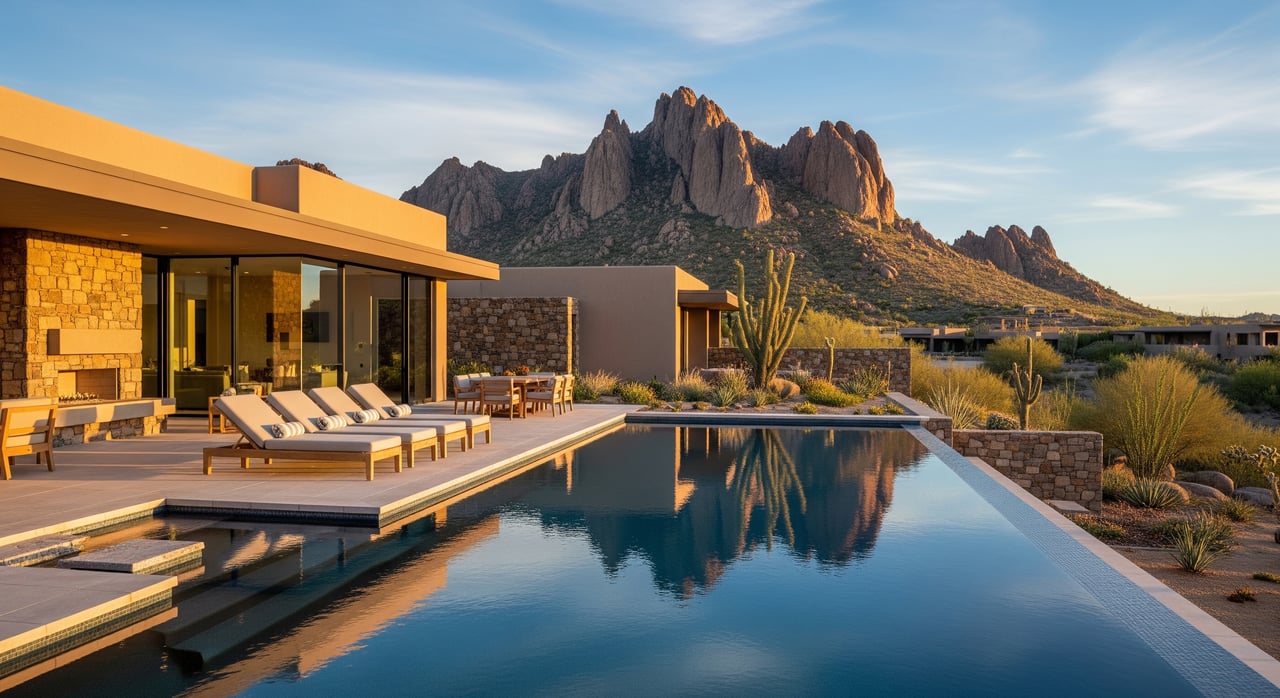
The topography is part of the appeal. Elevated ridges and foothills create panoramic mountain and city-light views. The setting feels secluded, yet you remain within the greater Phoenix metro area for services, dining, and airports.
Climate shapes your lifestyle here. Summers run hot with low humidity, winters are mild and popular with seasonal residents, and a mid-summer monsoon season can bring afternoon storms. Many residents plan outdoor activities in the morning and evening in summer, then enjoy full days outside through winter.
How the villages work
Desert Mountain is organized into distinct residential villages, each with its own feel and architectural guidelines. The village model helps you choose between low-maintenance homes near club amenities and larger estate lots with more privacy and long views. Within and across villages, you will see Southwestern, contemporary, and Mediterranean influences that fit desert landscaping and terrain.
What sets villages apart
- Lot size and privacy. Villages range from smaller lots that keep maintenance simple to estate parcels that support pools, casitas, and expansive patios.
- Age and style mix. You will find original custom estates as well as newer infill or spec homes from regional builders.
- Proximity to amenities. Some villages are near clubhouses, dining, and fitness, while others sit on quiet ridgelines with panoramic outlooks.
What to verify in a village
- HOA rules for architecture, exterior materials, and landscaping.
- Minimum parcel sizes and any village-specific assessments or fees.
- Whether short-term rentals are allowed and if any limits apply.
- Approval processes for renovations, visible solar panels, and exterior hardscape.
Golf and club life
Desert Mountain centers on private club living. Multiple championship-level golf courses, practice facilities, dining venues, and wellness options shape daily routines. While many residents choose the club for golf, you can also build a fulfilling lifestyle around fitness, trails, social programming, and seasonal events.
Membership basics
- Membership is typically required for full access to golf, most clubhouse dining, and premium fitness and spa facilities.
- Private clubs commonly offer several tiers, such as full golf or social options, each with different access rights and dues.
- Expect initiation fees plus recurring annual dues. There may be minimum food and beverage spend requirements.
- Some memberships may be transferable with a home sale, while others require a new application. Policies can include waitlists or approvals.
What membership covers
- Access to tee times, practice facilities, and golf programming.
- Dining across casual and fine venues, plus social calendars and events.
- Fitness centers, classes, pools, spa services, and wellness programming.
- Guest access and possible reciprocal privileges at other private clubs.
Key questions to ask
- Does the home you are considering include a membership, or must you apply separately?
- What are current initiation fees, annual dues, and any spending minimums for your desired tier?
- Are there waitlists, transfer policies, or restrictions tied to resale or rentals?
- Which amenities are membership-only versus available to residents or guests?
Amenities beyond golf
Desert Mountain offers a resort-style mix of dining, wellness, outdoor recreation, and social programming. Winter often brings a robust calendar of member events, while summer tends to be quieter and more relaxed.
Dining and social
You can expect several dining venues that range from casual to elevated, plus private event spaces and bars. Seasonal programming often features holiday events and special-interest groups such as wine, cards, or arts. The social fabric is a major draw for many residents, whether you are full-time or seasonal.
Fitness and wellness
A full fitness and wellness offering is typical. Residents enjoy gyms with classes and trainers, pool complexes, and spa services. Clubs often add wellness programming like yoga and Pilates, and organize group activities to fit all levels.
Trails and outdoor fun
Desert Mountain features an extensive private trail system for hiking, walking, and mountain biking that links to scenic viewpoints. The community also sits near public desert preserves and regional parks for additional trail mileage. In summer, early mornings and evenings are ideal for getting outside, and winters are prime time for all-day exploration.
Services for second homes
Inside the gates, you will find security, concierge-style support, and preferred vendor access for landscaping and home maintenance. Many second-home owners value turnkey services and property management options that make lock-and-leave living simple.
Homes and pricing
You will see a broad range of homes across Desert Mountain. Custom estates on larger lots deliver privacy, guest casitas, and signature finishes. Move-in ready spec and semi-custom homes offer modern features with less lead time. Golf casitas and smaller single-level homes appeal to downsizers and seasonal residents who want lower maintenance. Vacant lots are also available at times for custom builds.
Sales prices in Desert Mountain typically span an upper-tier range within Scottsdale. Homes often run from upper six figures for smaller casitas to multi-million-dollar custom estates. Market activity can be seasonal, with stronger demand in fall through spring. For current numbers on pricing, inventory, and days on market, review up-to-date MLS data for the village you are targeting.
What drives value
- Views and elevation, including long mountain and city-light vistas.
- Builder reputation, architectural quality, and recent remodels.
- Proximity to clubhouses, dining, and fitness facilities.
- Privacy, lot size, and indoor-outdoor living potential.
Costs beyond purchase
- HOA assessments for common-area maintenance, security, and services, which vary by village and lot type.
- Club initiation fees and annual dues, which can be significant at luxury communities.
- Utilities and maintenance, including desert irrigation, pool care, and seasonal upkeep.
- Property taxes, based on Maricopa County rates and assessed values.
- Insurance and inspection items such as drainage, roofing, and monsoon readiness.
Daily life by season
Life in the Sonoran Desert follows the weather. You will shift your schedule with the seasons to make the most of the climate and the social calendar.
Winter rhythm
From late fall through spring, temperatures are mild and outdoor living peaks. Tee times, hikes, and patio dining fill the calendar. The club’s social and event programming tends to be most active, which is ideal if you want a lively community rhythm.
Summer rhythm and monsoon
In summer, early mornings and evenings become your outdoor sweet spots. Many residents use the season for fitness, spa, projects, and quieter social time. The monsoon brings afternoon storms and dramatic skies, which also means paying attention to drainage, roof condition, and irrigation systems.
Getting around
Desert Mountain’s gated, ridge-and-foothill setting delivers seclusion and views. You will drive local arterials to reach Scottsdale’s shopping, dining, and services, and to access the Phoenix and Carefree corridors. Central Scottsdale and Old Town are generally about 30 to 45 minutes away based on traffic. Proximity to regional airports and major freeways depends on your route and time of day.
How it compares nearby
In the North Scottsdale luxury market, Desert Mountain is known for its private-club focus and scale. Compared with some gated neighborhoods that center on public courses or fewer amenities, you will find multiple championship courses and an extensive amenity footprint. The elevated topography sets it apart from flatter communities, leading to wider views and a retreat-like feel. The tradeoff is a longer drive to central city hubs compared with communities closer to the 101 corridor.
Smart buyer checklist
- Membership access. Confirm whether membership is required, included, or subject to application, fees, and waitlists.
- Dues and fees. Request current initiation fees, annual dues, and any spending minimums for your chosen tier.
- HOA rules. Review CC&Rs, budgets, and any special assessments or pending litigation.
- Renovations and exterior rules. Verify approvals for architecture, landscaping, solar, parking, and RVs.
- Rentals. Ask if short-term or seasonal rentals are allowed in the village you are considering.
- Services. Explore property management, housekeeping, landscaping, and concierge options for second homes.
- Utilities. Confirm water and sewer providers, trash collection, and available internet and cable.
- Inspections and insurance. Focus on drainage, roof condition, irrigation, and monsoon-related items.
- Seasonal fit. Visit in winter and summer to gauge activity levels and programming.
- Proximity. Map access to medical care, retail, schools, commuting routes, and airports.
Is Desert Mountain right for you?
If you want a private, golf-centered lifestyle with a robust amenity set, curated social life, and dramatic desert views, Desert Mountain delivers. The village structure lets you choose the balance of convenience and privacy that fits your routine, whether you are full-time or seasonal. The key is understanding membership, HOA rules, and the cost of ownership so your experience matches your expectations.
Ready to explore homes and membership options with a calm, concierge-level approach? Connect with the team at Fine Homes Group to schedule a white-glove consultation.
FAQs
Is membership required to live in Desert Mountain?
- You can own a home without joining, but full access to golf, most clubhouse dining, and premium fitness and spa facilities generally requires a club membership.
What types of homes will I find in Desert Mountain?
- You will see custom estates, newer spec and semi-custom homes, smaller golf casitas, and occasional vacant lots for custom builds, spread across distinct villages.
What are the typical price ranges today?
- Prices often span from upper six figures for smaller casitas to multi-million-dollar custom estates; check current MLS data for precise numbers in your target village.
Are short-term rentals allowed in Desert Mountain?
- Policies vary by village and association, and some areas restrict short-term rentals, so review the CC&Rs and confirm current rules before you buy.
How long is the drive to Old Town and the airport?
- Central Scottsdale and Old Town are generally about 30 to 45 minutes away depending on traffic; airport access varies with route and time of day.
What outdoor activities are available inside the community?
- Private trails for hiking, walking, and mountain biking are common, with connections to scenic viewpoints and proximity to regional preserves for more mileage.
What on-site services help second-home owners?
- Security, concierge-style support, and preferred vendors for landscaping and maintenance are available, with property management options for lock-and-leave living.
What costs should I plan for beyond the purchase price?
- Budget for HOA assessments, club initiation and dues, utilities and landscape irrigation, pool care, property taxes, and insurance, plus any renovation approvals if needed.